The Ultimate Beginner’s Guide to Trading: Essential Basics You Must Know
1. Understanding Trading and Its Types
Trading involves buying and selling financial instruments for profit. There are several types of trading, including:
Stock Trading: Buying and selling company shares.
Forex Trading: Trading foreign currencies.
Crypto Trading: Dealing with digital currencies like Bitcoin and Ethereum.
Commodity Trading: Investing in natural resources like gold, oil, and agricultural products.
Options and Futures Trading: Dealing with contracts based on underlying assets.
Each type has unique risks and rewards, so choose based on your financial goals and risk tolerance.
2. Market Participants and Their Roles
To trade effectively, you need to know the key players in the market:
Retail Traders: Individual investors like you.
Institutional Traders: Large financial firms with significant market influence.
Market Makers: Companies providing liquidity by continuously buying and selling assets.
Regulators: Authorities like the SEC (USA) and SEBI (India) that oversee trading activities.
Understanding these participants helps you make informed trading decisions.
3. How the Financial Markets Work
Financial markets operate through supply and demand. Prices fluctuate based on various factors, such as:
Economic News: Interest rates, GDP growth, and inflation reports affect markets.
Company Performance: Earnings reports influence stock prices.
Geopolitical Events: Political instability can impact markets.
Market Sentiment: The overall mood of investors, driven by fear and greed, affects trading trends.
Keeping an eye on these factors can help you make better trading decisions.
4. Essential Trading Terminologies
Before you start trading, you must familiarize yourself with basic terms:
Bid & Ask Price: The buying (bid) and selling (ask) price of an asset.
Spread: The difference between the bid and ask price.
Leverage: Borrowing funds to trade larger positions with less capital.
Margin: The collateral required to open a leveraged trade.
Stop-Loss Order: An automatic order to sell an asset at a predetermined price to limit losses.
Take-Profit Order: An order to close a trade when a specific profit target is reached.
5. Technical Analysis vs. Fundamental Analysis
There are two main methods to analyze the market:
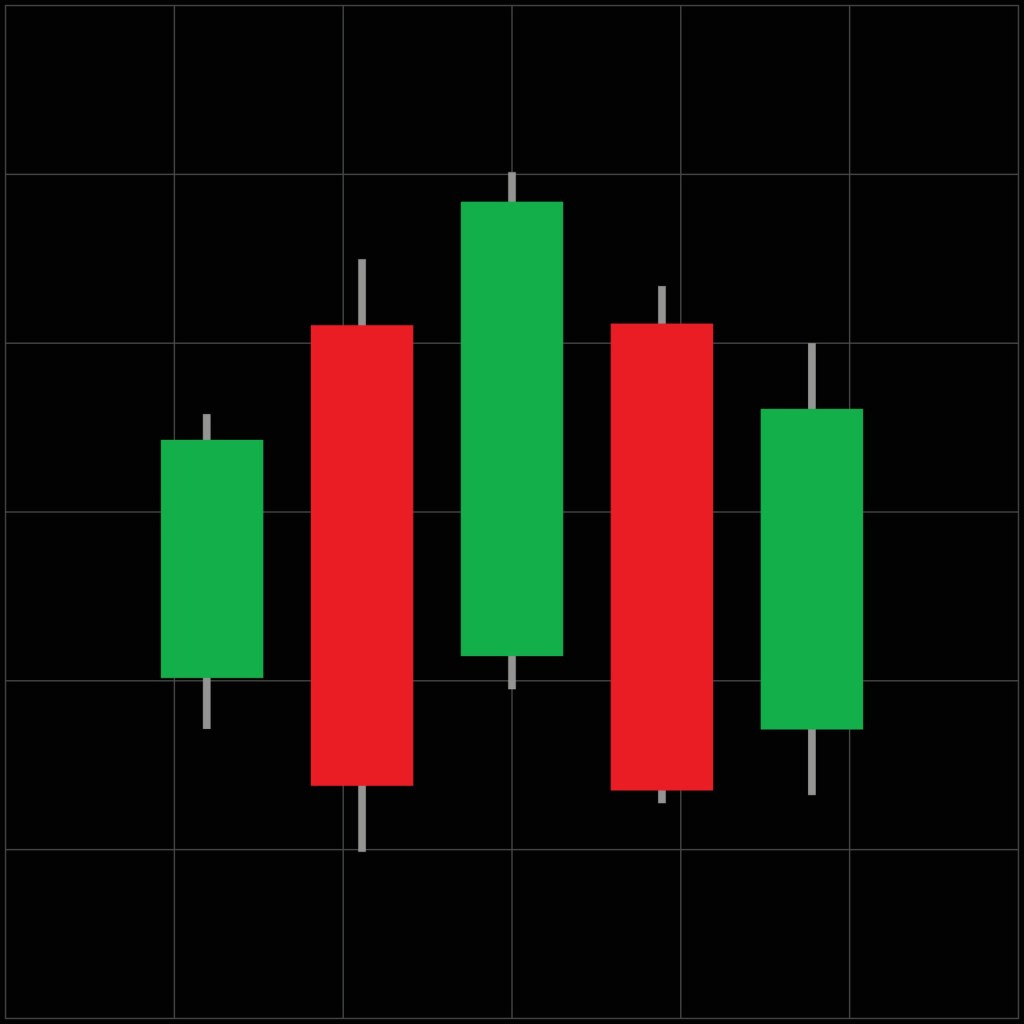
Technical Analysis: Using price charts, trends, and indicators like Moving Averages, RSI, and MACD to predict future price movements.
Fundamental Analysis: Evaluating a company’s financial health, industry trends, and macroeconomic factors to determine its true value.
Combining both approaches can enhance your trading strategy.
6. Choosing the Right Trading Platform and Broker
A reliable trading platform is essential for executing trades. When choosing a broker, consider:
Regulation: Ensure they are licensed by financial authorities.
Trading Fees: Check commission, spreads, and hidden charges.
User Experience: A beginner-friendly platform makes trading easier.
Customer Support: Prompt assistance can help during market fluctuations.
Popular trading platforms include MetaTrader 4/5, Binance (for crypto), and TD Ameritrade.
7. Managing Risks in Trading
Risk management is crucial for long-term success. Follow these strategies:
Never Risk More Than You Can Afford to Lose: Allocate only a portion of your capital to each trade.
Use Stop-Loss and Take-Profit Orders: Automate exits to prevent emotional trading.
Diversify Your Portfolio: Invest in different assets to reduce risk.
Position Sizing: Adjust trade size based on market volatility.
8. The Psychology of Trading
Emotions like fear and greed often lead to poor trading decisions. To maintain discipline:
Follow a Trading Plan: Define entry, exit, and risk management rules.
Keep a Trading Journal: Record trades to learn from mistakes.
Stay Patient: Not every trade will be profitable; consistency is key.
Avoid Overtrading: Trading excessively increases risks and reduces profitability.
9. Practicing Before Investing Real Money
Before committing real capital, practice using:
Demo Accounts: Most brokers offer virtual trading to test strategies risk-free.
Paper Trading: Manually simulating trades based on real market data.
Backtesting: Analyzing past market conditions to refine strategies.
This ensures you gain confidence and experience before entering live markets.
10. Staying Updated with Market Trends
Trading is a dynamic field that requires continuous learning. Stay informed by:
Following Financial News: Bloomberg, CNBC, and Reuters provide market insights.
Joining Trading Communities: Engaging in forums and social media groups.
Reading Books and Blogs: Gain expert knowledge from professional traders.
Conclusion
Trading can be a rewarding journey if approached with knowledge and discipline. By understanding the basics, practicing strategies, managing risks, and keeping emotions in check, you can navigate the market effectively. Remember, patience and consistency are the keys to success in trading. Happy trading!

 Trade Accelerator
Leave a comment